


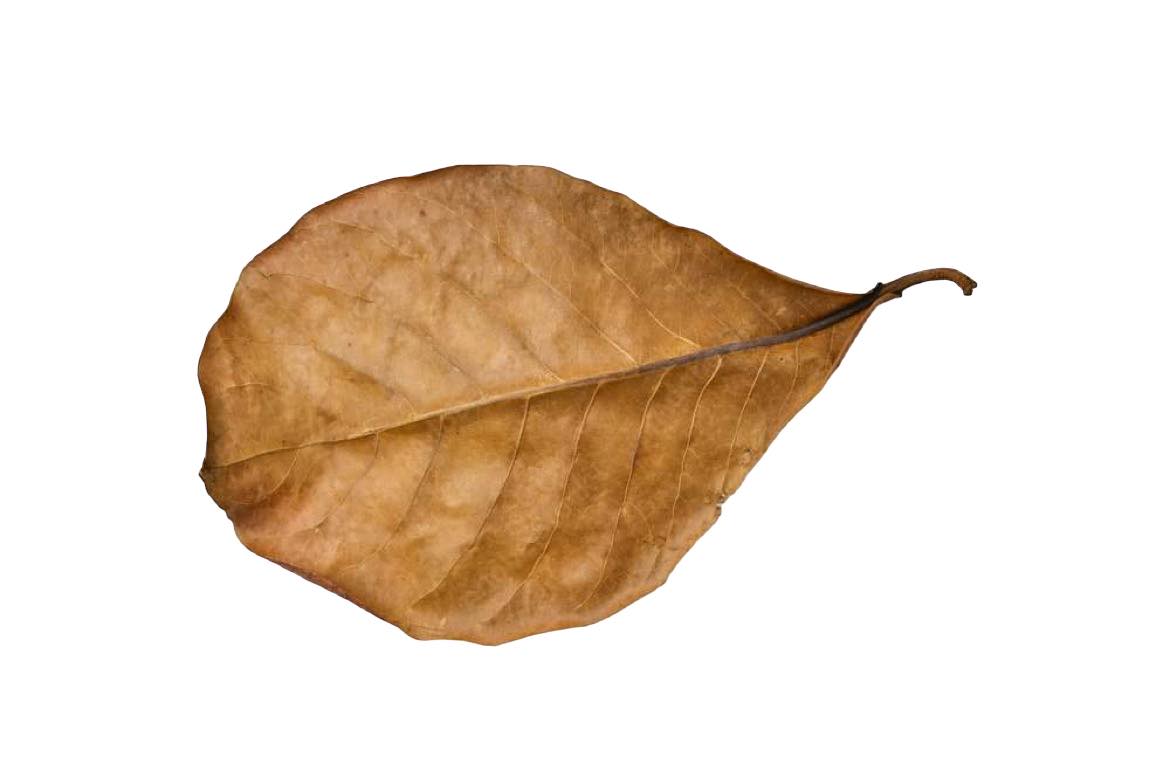
Ketapang leaves (Terminalia catappa leaves) are commonly used in aquariums, especially in setups that aim to replicate natural conditions for fish and other aquatic organisms from tropical regions. Here are some of the benefits and considerations of using ketapang leaves in aquariums:
Natural Water Conditioner:
One of the primary benefits of ketapang leaves in aquariums is their ability to release tannins into the water. These tannins create a natural environment similar to the conditions found in many tropical water bodies. Tannins can help lower the pH level and reduce water hardness, creating soft and slightly acidic water conditions. Many fish species, such as bettas, discus, and some tetras, prefer such water parameters.
Stress Reduction:
The presence of tannins and other organic compounds released by ketapang leaves can have a calming effect on fish, helping to reduce stress. This is particularly beneficial during the acclimation process when introducing new fish to the aquarium or when fish are recovering from an illness or injury.
Natural Antibacterial and Antifungal Properties:
The tannins in ketapang leaves possess mild antibacterial and antifungal properties. They can help inhibit the growth of certain harmful microorganisms in the aquarium, promoting better overall health for the fish.
Color Enhancement:
Some aquarium fish, such as certain species of bettas and discus, may display enhanced colors when kept in water with tannins from ketapang leaves. This is especially true for fish that have evolved in naturally tannin-rich environments.
Shrimp and Invertebrate Care:
Ketapang leaves provide an additional food source and shelter for shrimp and other small invertebrates. The leaves can also facilitate the growth of microorganisms, which become a natural food source for the shrimp.
Aesthetic Appeal:
Ketapang leaves add a natural and aesthetically pleasing look to the aquarium. They can be used as a decorative element, providing a more authentic and biologically diverse appearance.
When using ketapang leaves in an aquarium, it's important to consider the following:
Leaf Preparation:
Before adding the leaves to the aquarium, rinse them thoroughly to remove any dust or debris. You can steep the leaves in hot water to speed up the release of tannins and then add the steeped water along with the leaves to the aquarium.
Monitoring Water Parameters:
While ketapang leaves can help create soft and slightly acidic water, it's essential to monitor water parameters regularly to ensure they remain stable and suitable for the specific fish and invertebrates in the aquarium.
Replacement:
Over time, the leaves will break down and lose their effectiveness. Replace the leaves periodically to maintain the desired water conditions and benefits. It is recommended every 2-3 weeks. It is recommended every 2-3 weeks. Leftovers will be eaten by organisms living in the aquarium.
Overall, using ketapang leaves in the aquarium can be a great natural way to enhance the well-being of the fish and create a more natural and attractive environment.